The Bee Place Banner

Free Bee Safety Classes

display divider

The Bee Place is developing free educational presentations for beekeepers and the general public. These classes focus on recognizing dangerous bee behavior, preventing avoidable incidents, responding safely during an attack, and understanding the responsibility that comes with keeping honey bees in South Central Texas.

Class dates and host locations will be posted as they are scheduled. Community organizations and groups interested in hosting a presentation are welcome to contact us now.
Introducing Our Free Bee Safety Classes
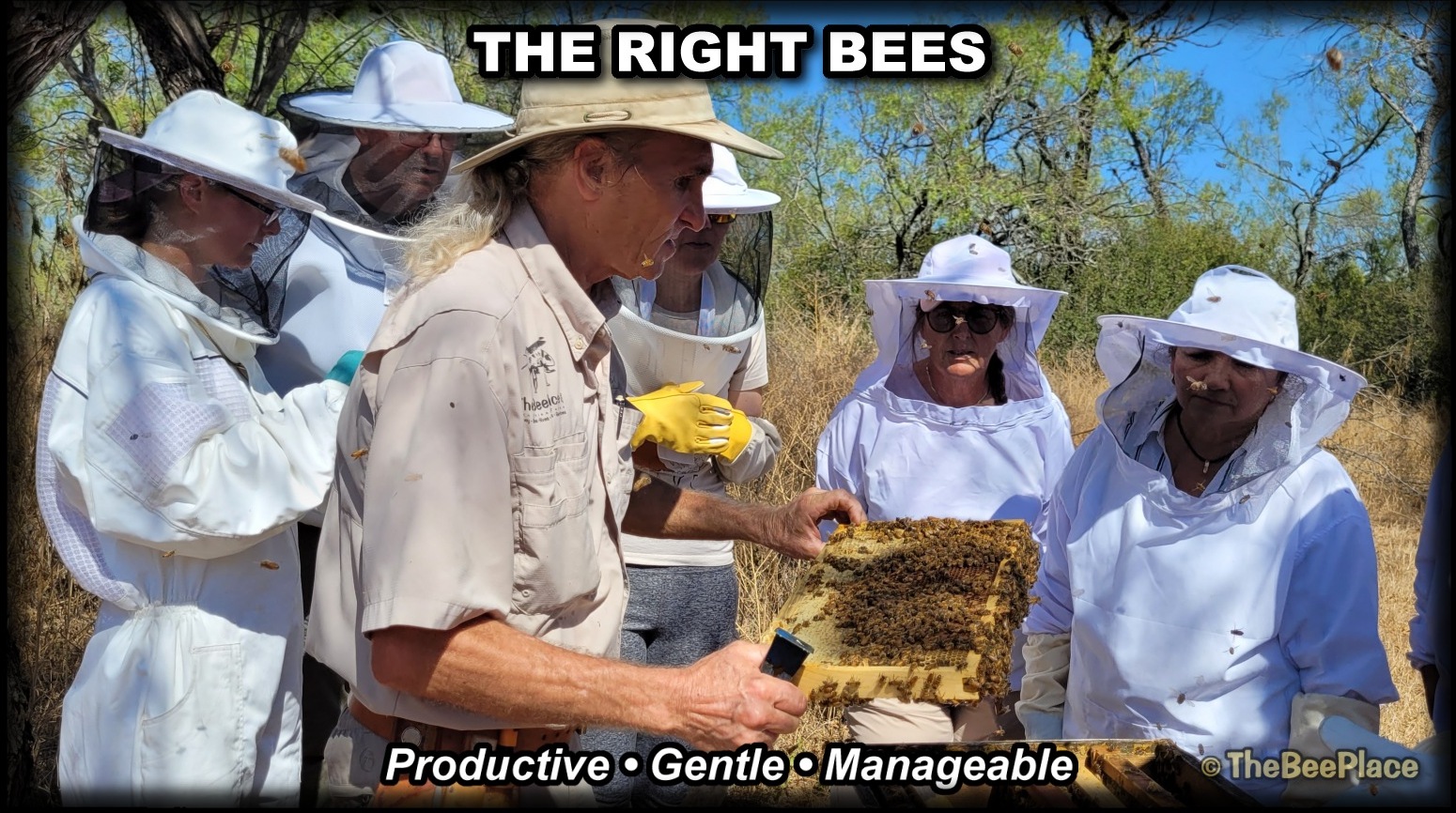
The Right Bees — productive, gentle, manageable honey bees Introduction Video Coming Soon

Two Class Formats — One Shared Goal

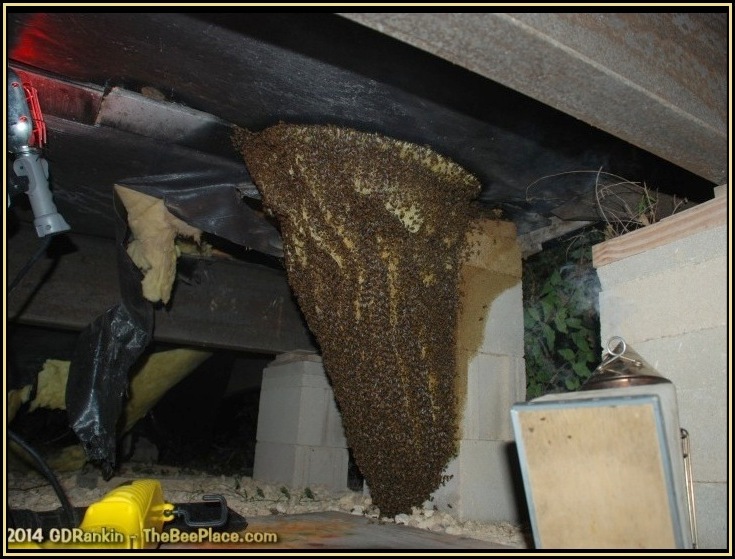
Large feral honey bee colony hidden beneath a structure

Bee Safety for the Public

For people who do not keep bees but may encounter them around homes, schools, workplaces, ranches, public spaces, or outdoor work sites.

  • The difference between a passing swarm and an established colony
  • Where hidden colonies are commonly found
  • Mowing, weed-eating, brush clearing, and other common triggers
  • Warning signs that bees are becoming defensive
  • What to do—and what not to do—during an attack
  • Protecting children, pets, livestock, workers, and neighbors
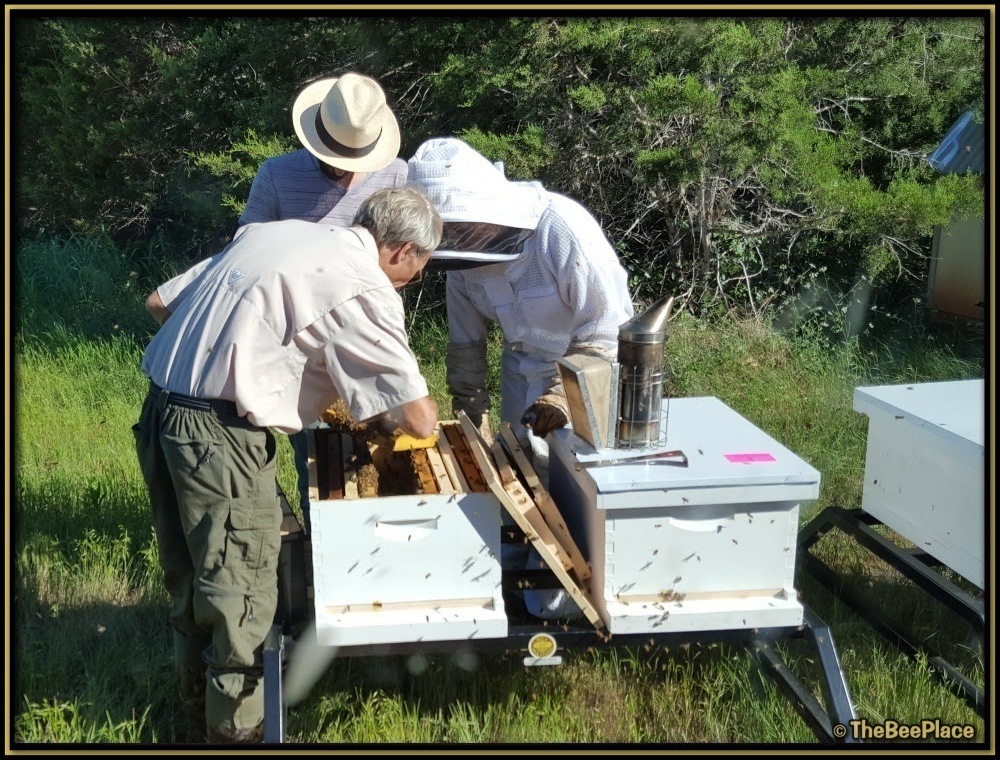
Beekeepers safely inspecting a managed honey bee colony

Beekeeper Safety and Responsibility

For current and prospective beekeepers who need practical, locally relevant information about colony temperament and community safety.

  • Recognizing an unacceptable change in colony temperament
  • How queen loss, swarming, supersedure, and local mating can change behavior
  • Evaluating behavior without normalizing dangerous bees
  • Requeening when temperament requires it
  • Safely approaching and handling highly defensive colonies
  • Protecting family members, neighbors, animals, workers, and the public

Preparing Before Bee Season

The cooler months and early spring are an ideal time for bee-safety education. People may not be thinking about bees during the winter, but that is when families, property owners, outdoor workers, and beekeepers can prepare before mowing, brush clearing, swarm season, and increased outdoor activity begin.

These are educational presentations using photographs, video, protective equipment, and real-world examples. Public presentations do not require live bees.

Bee Safety Class Highlights
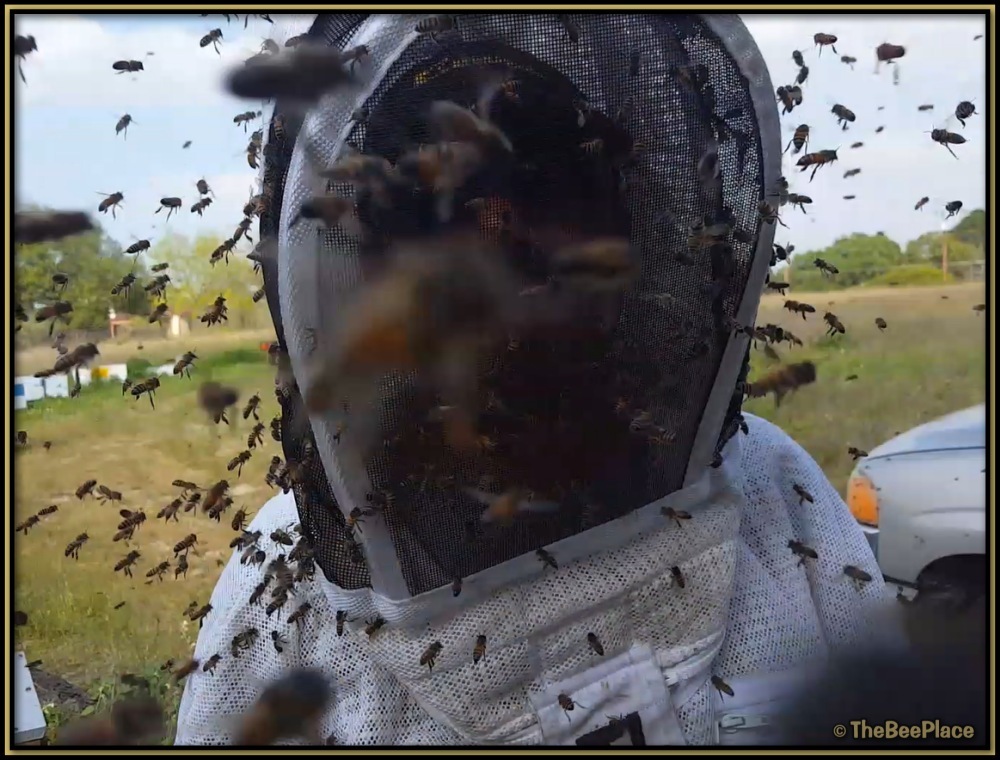
Beekeeper encountering an extremely defensive honey bee colony Class Highlights Video Coming Soon

Community and Group Presentations

Possible hosts and audiences include organizations that serve families, property owners, beekeepers, outdoor workers, animals, and the wider community.

Libraries and community centers
Schools, churches, and parent groups
Homeowner and neighborhood associations
Bee clubs and agricultural organizations
Fire departments and public-safety groups
Landscaping, maintenance, utility, and outdoor-worker groups

Free presentations are subject to scheduling, location, and availability. Host organizations can help by providing a suitable meeting space, seating, presentation equipment, and local promotion or registration.

Request a Free Bee Safety Presentation

Before contacting us, please review the presentation options and basic requirements to determine whether hosting a class or attending one of our scheduled public presentations is the best fit for your club, organization, or group.

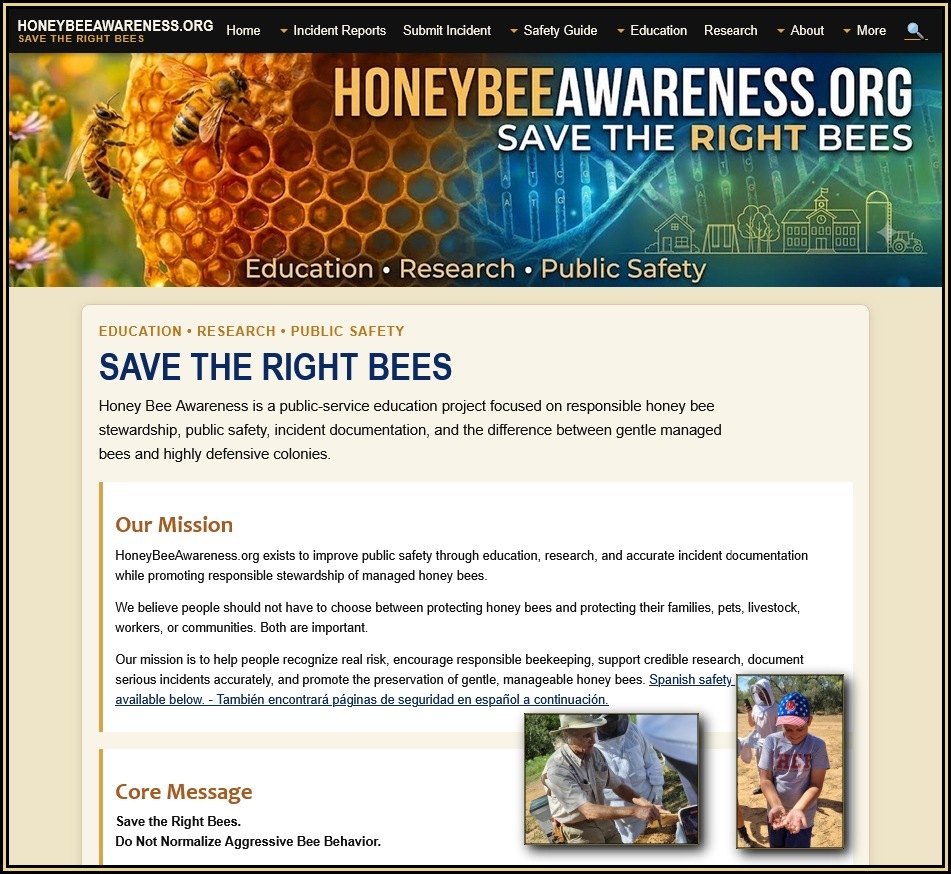
Honey Bee Awareness — education, research, and public safety

Why We Are Doing This

Honey Bee Awareness grew from our family’s firsthand experience with an extremely defensive honey bee colony. The mission is pro-honey-bee and pro-public-safety: preserve gentle, productive, manageable bees while helping people recognize real danger before another family, animal, worker, responder, or community is harmed.

The story behind this effort, Tammy’s firsthand account, and additional safety and educational resources are available through HoneyBeeAwareness.org.

Additional Safety Information