

Bee Safety

General Bee Safety

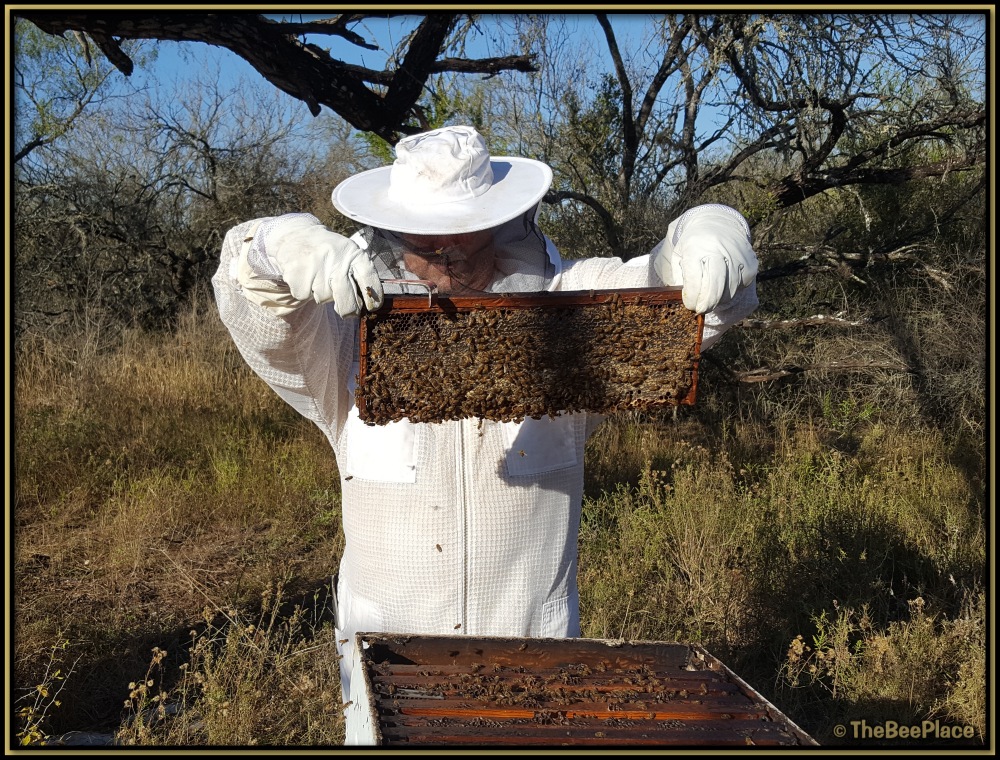

Most bee encounters are minor and manageable.
However, it is important to know that south central Texas still has Africanized Honey Bees in the wild. They have been in this area for over 30 years and continue to migrate from the south as well as reproduce in our region.
In the event of an encounter - As soon as possible:
- Move yourself and others, including pets to a safe area - as fast as possible.
- Cover your face and head, and get indoors or inside a vehicle and get the windows up, then back down 1 inch to let any bees out. More than 1 inch can be enough for others to come inside, but not when 1 inch or less.
- Call 911 immediately if there is a danger to you or anyone else
- If a person is anaphylactic allergic to stings, an EpiPen is needed asap - a single sting warrants an epinephrine shot. For those that are not anaphylactic, multiple stings can be fatal to people and animals.
- Get people, pets and livestock away from the nest/hive
- Aggressive bees will follow up to 1/2 a mile
- Leave things to the professionals
- Do not attempt to kill or poison the bees
Individuals with known allergies should always carry their prescribed medication.
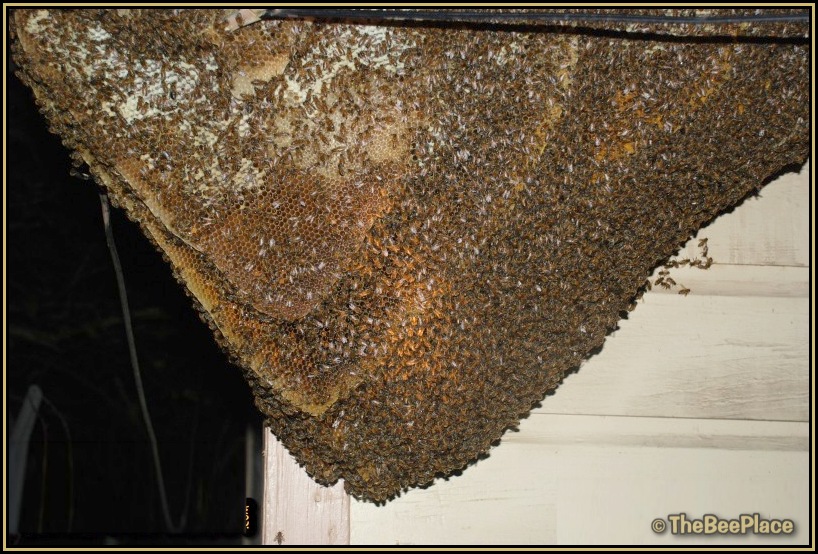
Safety Is A Priority
Learning The Basics About Bees Helps
Most honey bees are not aggressive and are rarely a problem when they are away from their nest.
However, in this region, some wild colonies can be more defensive—especially if their nesting area is disturbed.
We want to offer some practical guidance to help people stay safe around honey bees and other stinging insects.
Africanized honey bees are present in South Central Texas. While not every colony behaves this way, when a defensive hive is disturbed, the situation can escalate quickly.
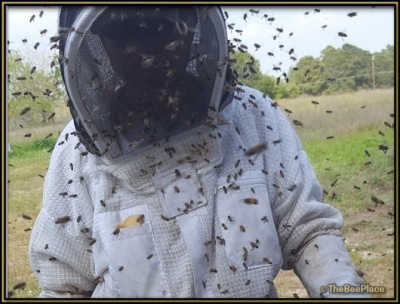
Understanding what to look for and how to respond can prevent most problems before they start.

Check Before You Start Equipment
Spring and summer yard work is one of the most common times people run into trouble with bees.
Mowers, weed eaters, chainsaws, and other small gas engines can disturb a hidden hive and trigger a defensive response.
Before starting any equipment, take a moment to walk the area.
- Look for bees flying in and out of one spot
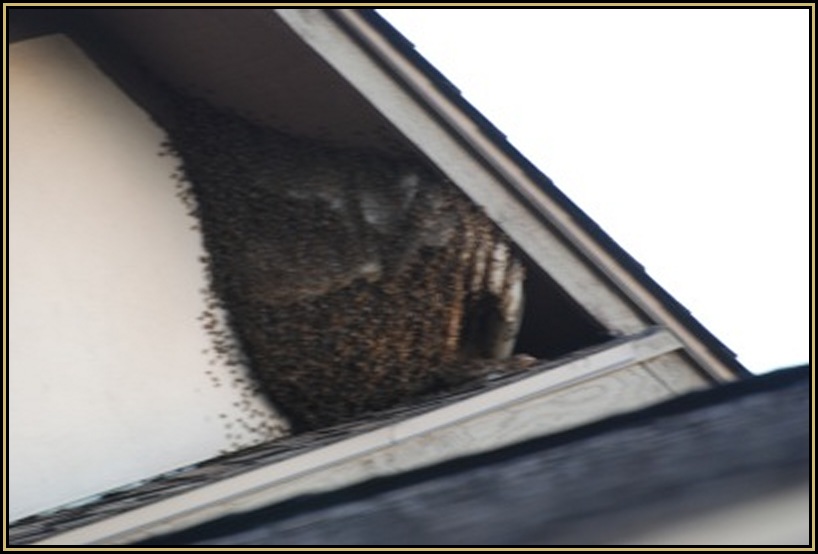
- Check around sheds, fences, and roof eaves
- Watch for activity near brush piles or stored equipment
- Be aware of cracks and openings in structures
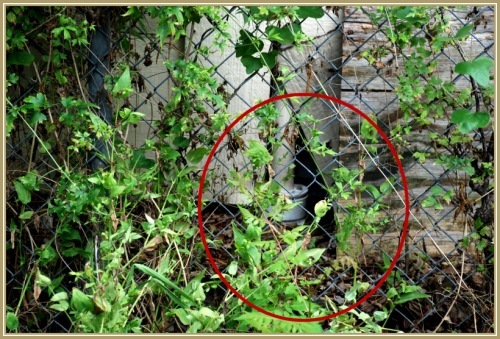
A quick inspection can prevent a situation from escalating before it starts.
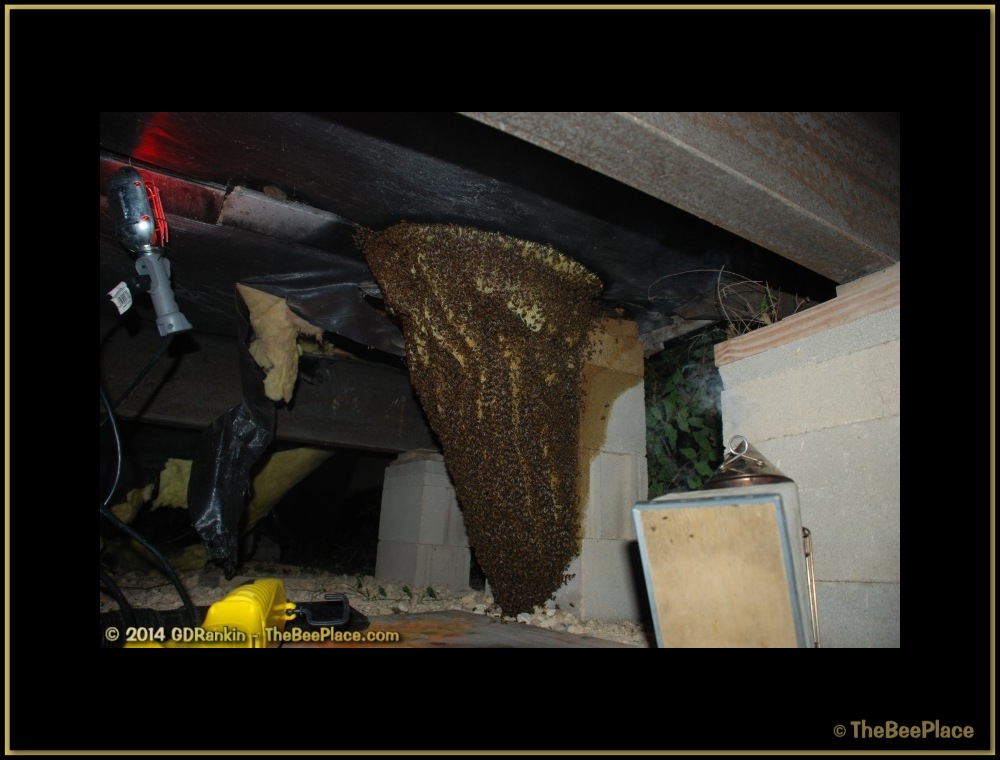
Not All Bees Are Aggressive
Honey bees play an important role in agriculture and are a normal part of life in our area.
Managed hives are typically calm and can be worked safely with proper knowledge and care.
Beekeeping is often a family activity that can be both enjoyable and rewarding when done responsibly.
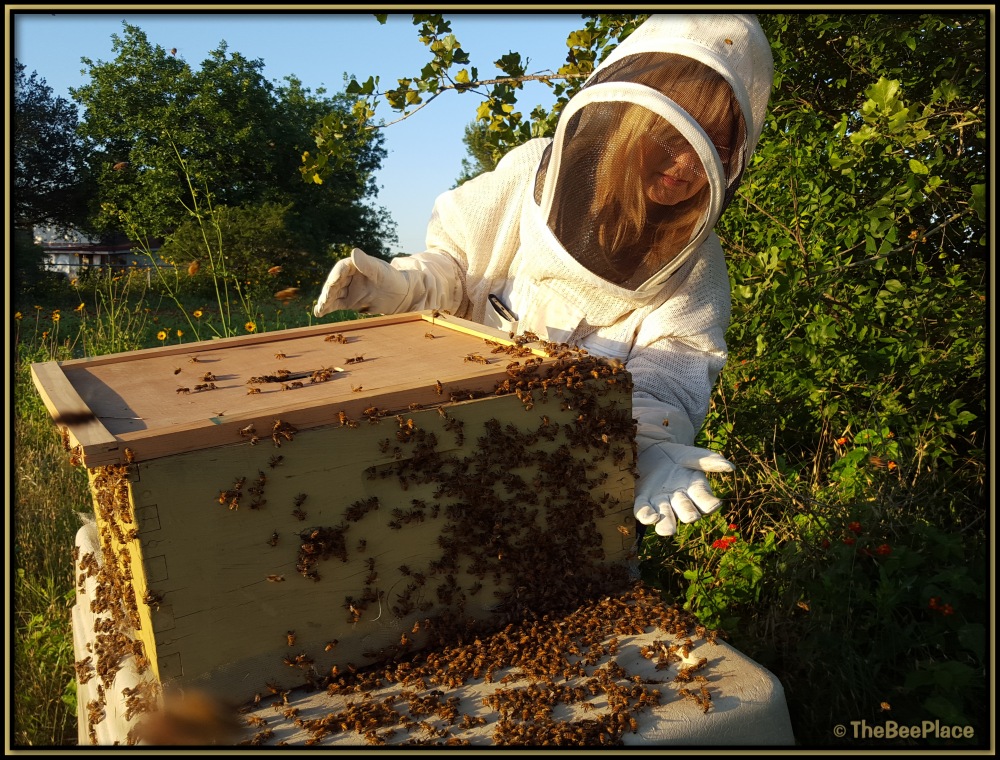
Understanding the difference between managed bees, a swarm of bees and wild colonies helps keep things in perspective.

HoneyBeeAwareness.org — education, research, and public safety for serious bee-related incidents.
HoneyBeeAwareness.org is a separate public education and incident-documentation project created to help people better understand serious bee-related public-safety risks.
The goal is not to discourage beekeeping or create fear of honey bees. The goal is to support responsible beekeeping, help preserve gentle and manageable honey bees, document serious incidents accurately, and help communities recognize when highly defensive bee behavior should not be ignored.
The site includes bee safety information, incident reports, common misconceptions, glossary terms, Spanish safety pages, and a form for reporting serious bee-related incidents.
Visit HoneyBeeAwareness.org
