

Our Story

The Bee Place History

The roots of The Bee Place reach back long before Gary and Tammy Rankin founded it in 2014. Gary was introduced to beekeeping as a young man in the early 1970s in South Central Texas, where he helped his family tend gardens and learned about honey bees and the importance of pollinators.
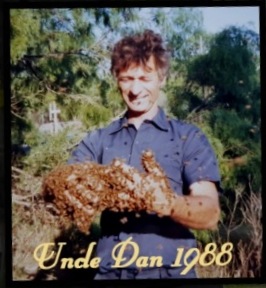
Those early lessons—working with the seasons, observing bee behavior, and respecting the limits of nature—left a lasting impression, even as life and career paths moved in other directions.
The 2014 Turning Point
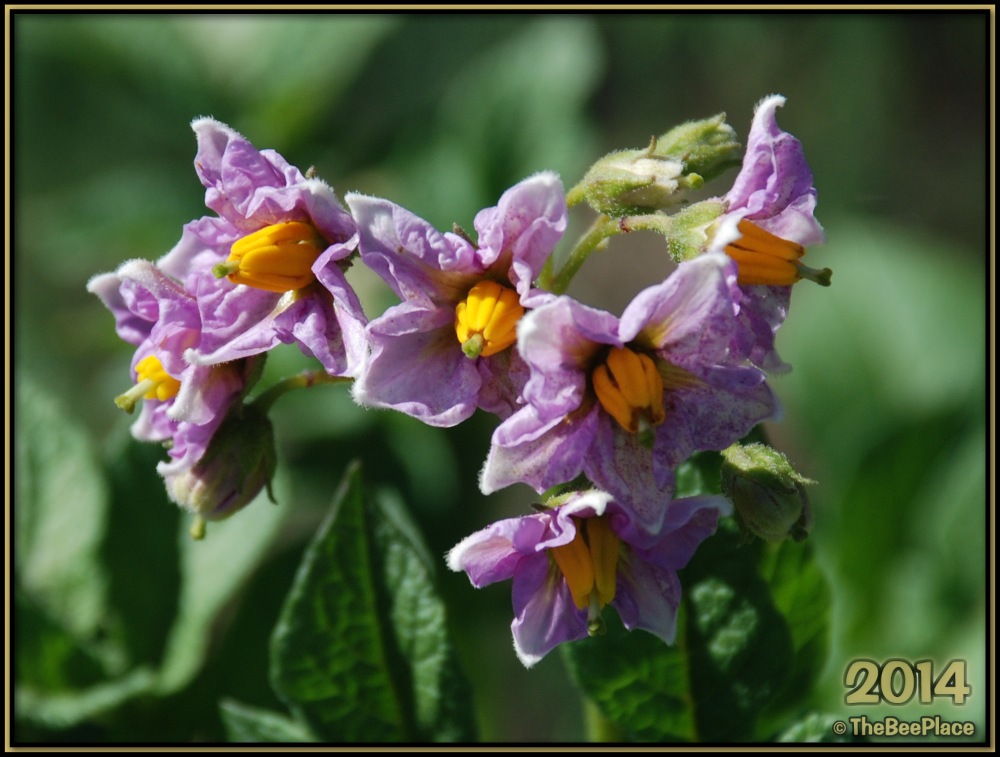
Early that year a garden planted on the property thrived in every way except one. Crops that required insect pollination failed to produce properly, despite good soil, adequate water, beautiful blooms, and years without chemical use.
The problem was simple and alarming: there were no bees.
That absence prompted research into pollinator decline and ultimately led to the decision to bring honey bees back into the area—first to support the garden, and soon after, something much larger.

From Two Hives to a Bee Farm
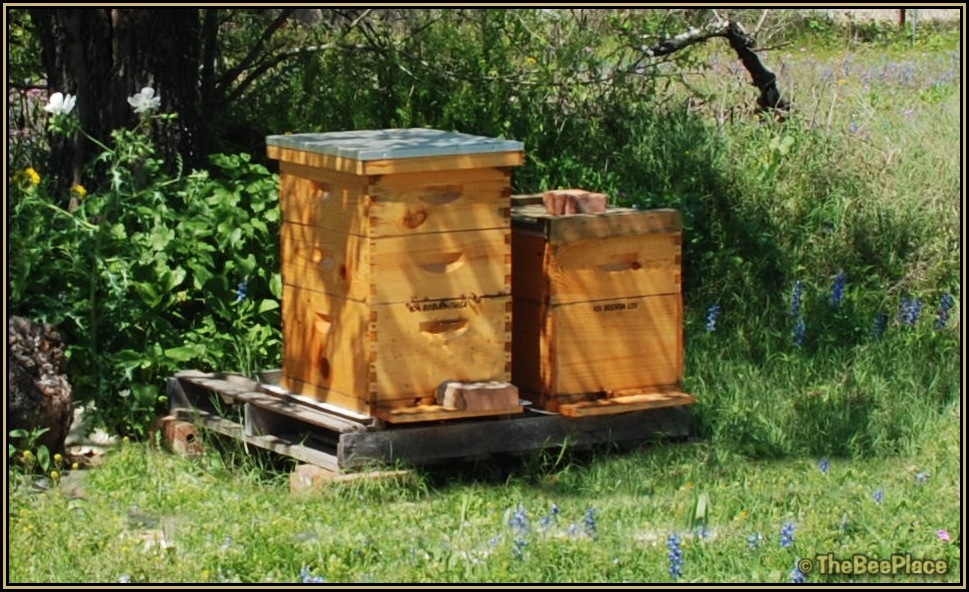
The first two hives quickly multiplied. Bee removals, swarm calls, and relocation requests began coming in from friends, family, and neighbors.
Within a single season, the apiary grew from two hives to twenty. What started as a practical solution to a pollination problem was becoming a serious commitment of time, labor, and learning.
Bee Removals and Hard Lessons
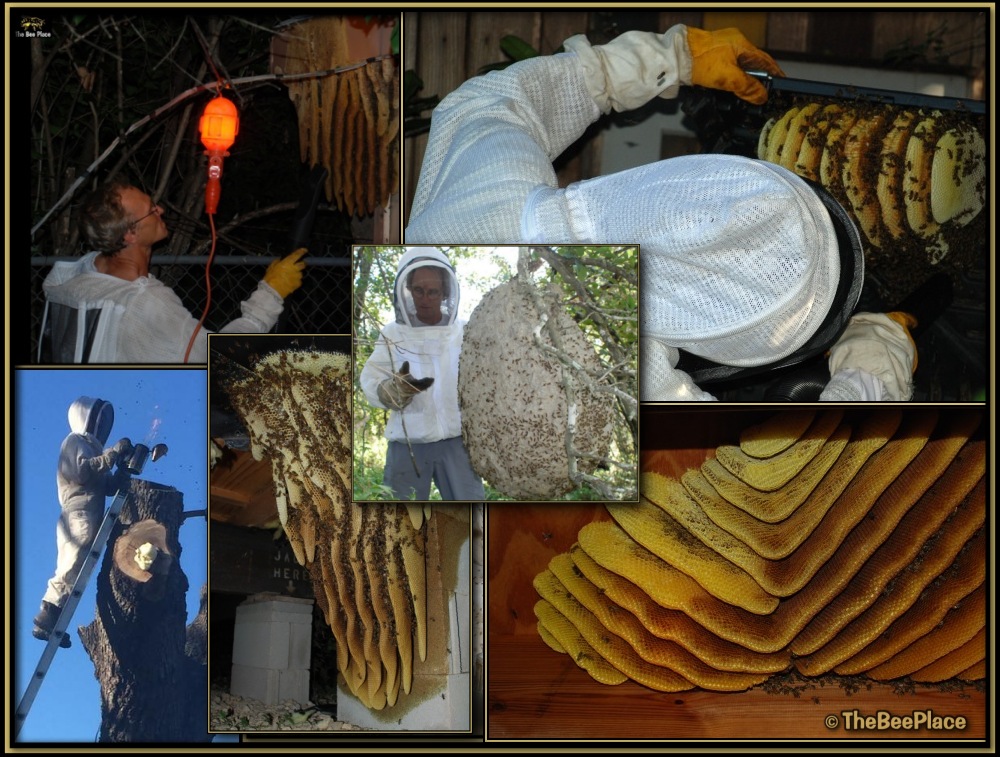
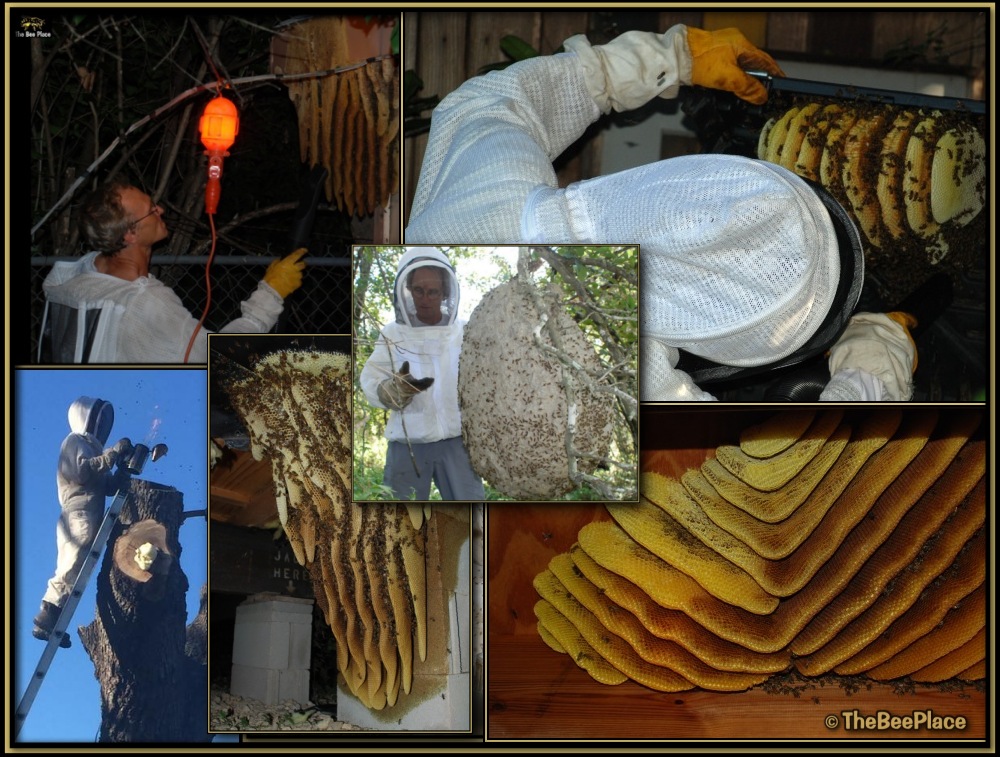
Between 2014 and 2015, over two hundred bee removals were completed across Texas. More than half displayed highly defensive behavior consistent with Africanized honey-bee populations encountered in South Texas.
This experience shaped the operation permanently. It reinforced the importance of gentle, well-managed genetics and safe handling practices, especially in populated areas where people, livestock, and wildlife are at risk.
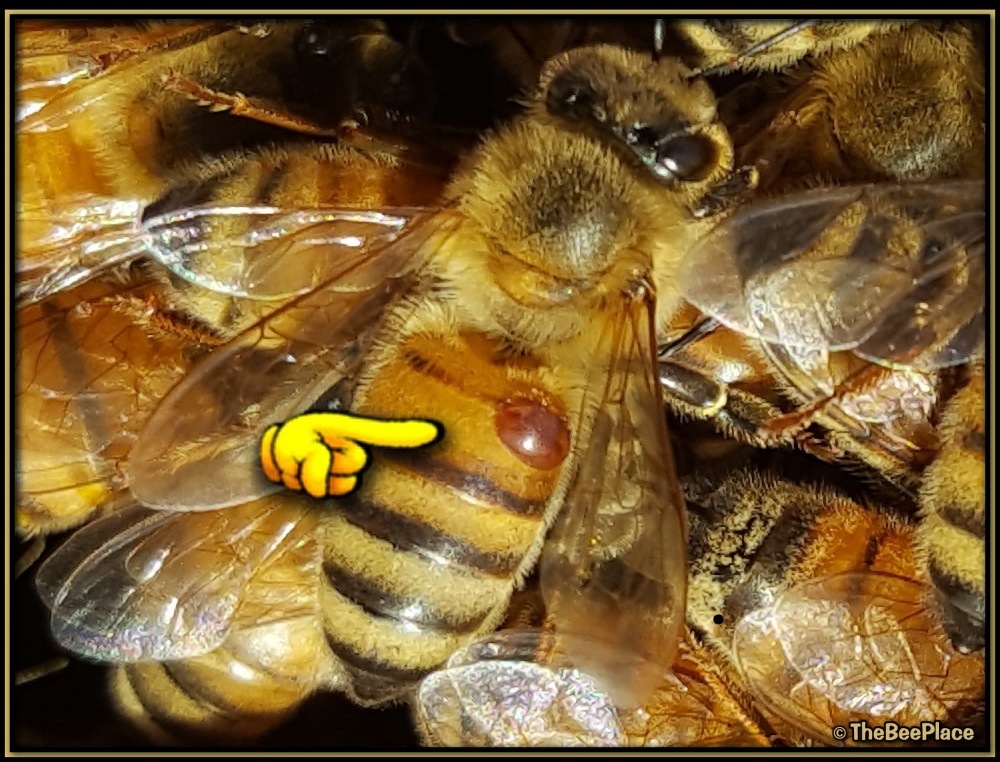
Beekeeping in Texas Context
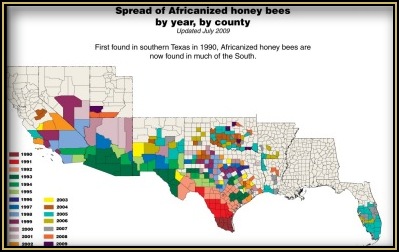

Decades earlier, interest in beekeeping across the region had declined sharply. Africanized bees, invasive pests such as Varroa mites and small hive beetles, and the loss of local supply infrastructure left a long gap in mentorship and education.
By the early 2010s, many new beekeepers were starting without experienced guidance or reliable local resources.
A Shift Toward Full-Time Work
Texas’ 2012 pollinator incentive legislation renewed interest in beekeeping by allowing agricultural valuation for landowners keeping bees. Demand for bees, supplies, and education increased rapidly.
What had begun as a small, hands-on operation transitioned into a full-time endeavor focused on meeting those needs responsibly.
Scaling the Operation with Our Guys
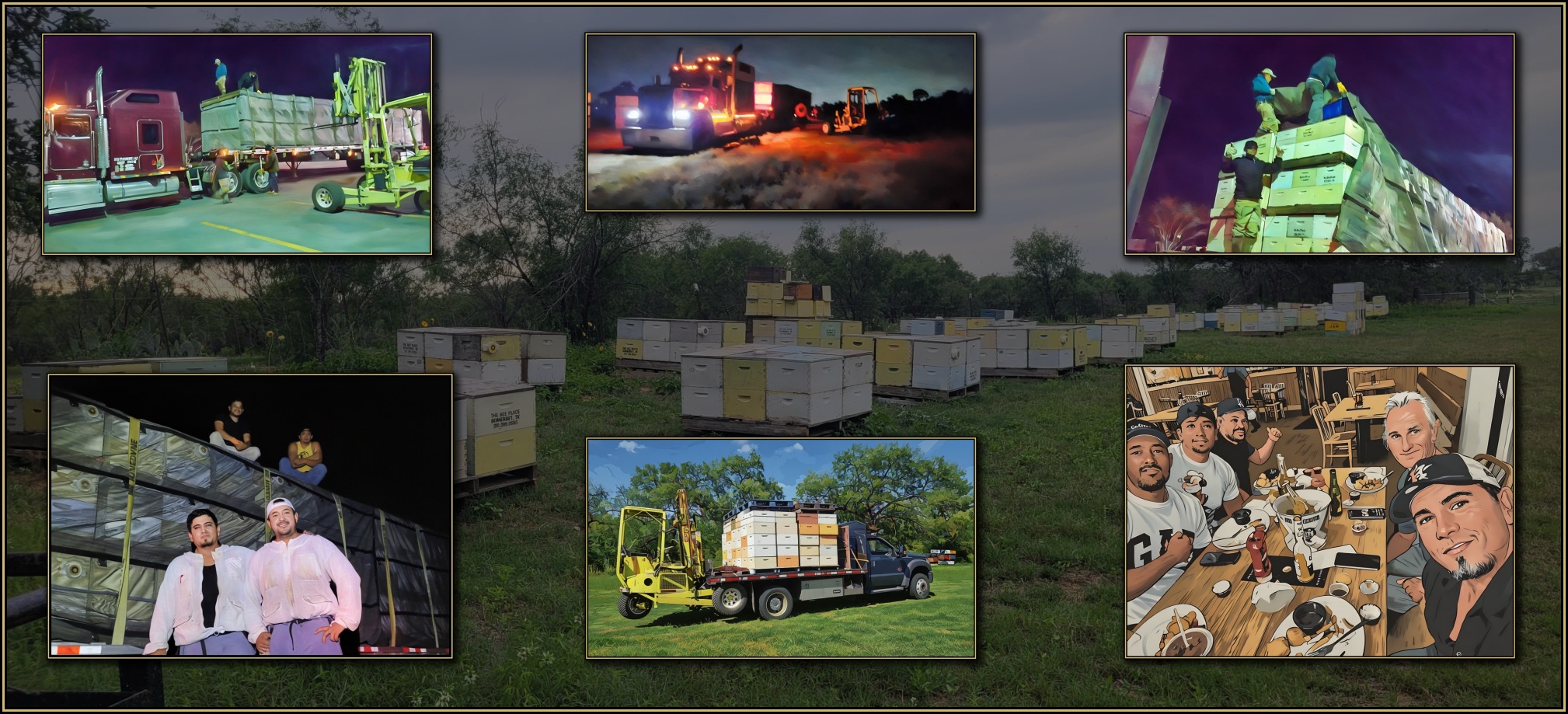
As hive numbers increased, so did the need for experienced help. Over time, a skilled team of full-time beekeepers was assembled, allowing the operation to grow safely and sustainably.
This expansion made it possible to support larger farms, provide pollination services nationwide, and maintain a consistent standard of care across all yards.
Where We Are Today
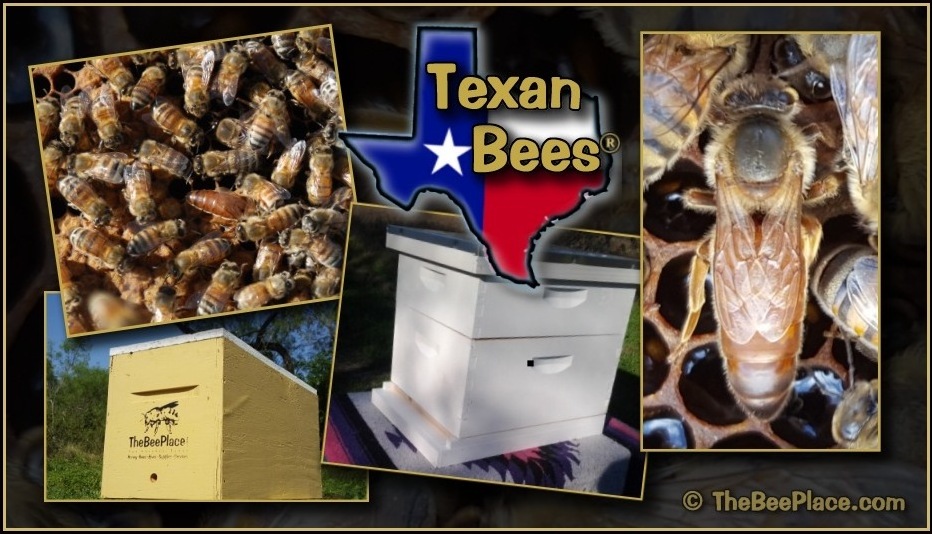
Today, The Bee Place operates as a professional honey bee farm with a focus on strong genetics, colony health, and practical beekeeping methods suited to south central Texas.
Our goal has never been to be the largest operation, but to be a reliable one—providing healthy bees, honest guidance, and support for those who depend on pollinators.
Passing It On
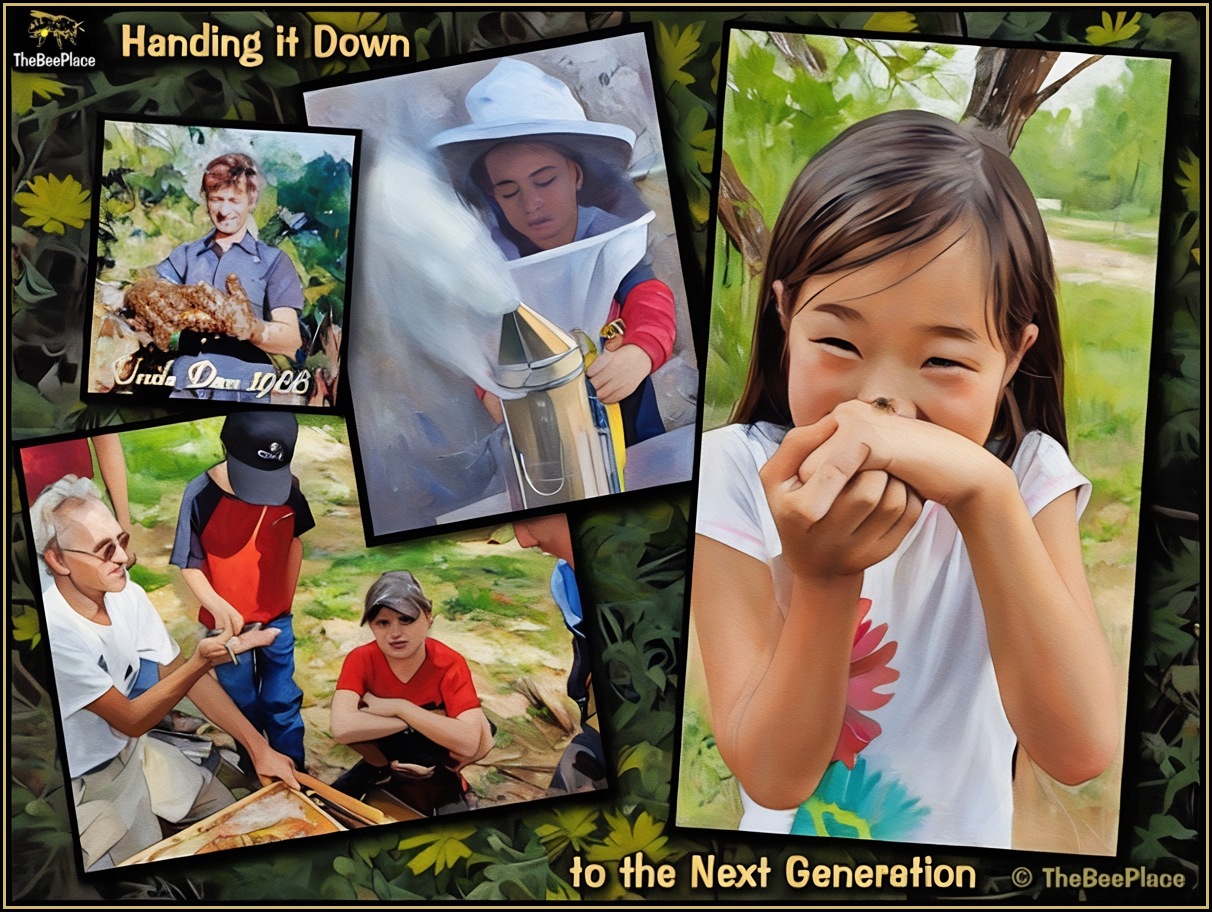
Beekeeping is learned over time, through observation, mistakes, and experience. Sharing that knowledge helps keep pollinators on the landscape and traditions alive.
From a couple of hives in a garden to a full-scale commercial beekeeping operation, the story of The Bee Place continues—one season at a time.
A Turning Point
We owe a great deal of thanks to our good friends and extended family, the Pal family. Marcel and his wife Mirela first crossed our path when he sold us a couple of hives during a time when bees were hard to find in this area.
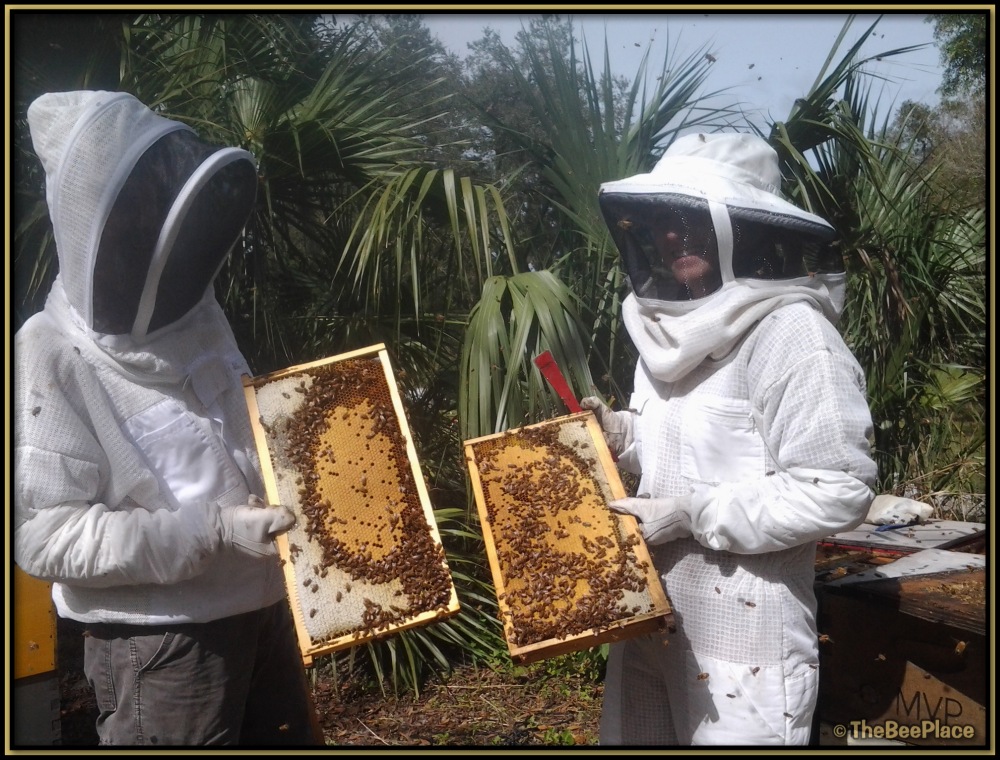
Not long after, Marcel invited us to Florida to spend time working alongside him and to "see how the big boys do it" - meaning the commercial side of beekeeping and how all of those guys really operate. He opened his home to us, shared his time freely, and made sure we learned what it takes to run bees at a larger scale. That experience was a turning point for us. That first trip—working bees side by side in Florida—was where we truly began to understand what was possible on a larger scale.
With his guidance, we took the next step—bringing in our first semi-load of bees and eventually making the move into commercial pollination, including the California almond fields. That opportunity set us on the path we are still on today.
Marcel has always focused on the business side of beekeeping, while we stayed focused on the bees themselves. Together, that balance has been invaluable. Over the years, that working relationship has grown into a lasting friendship we truly value.
All of that support, guidance, and generosity played a major role in shaping what The Bee Place has become today. We are grateful for it, and it will always be part of our story.
Help Along the Way
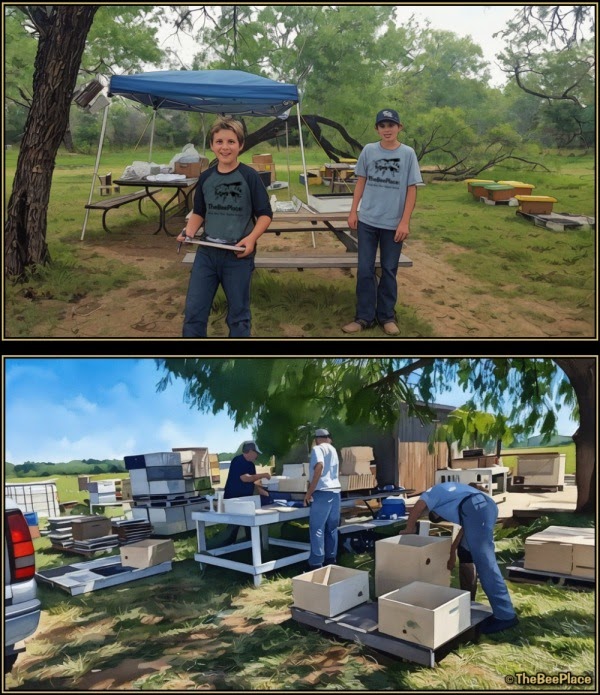
The Bee Place may have started small, but it did not grow alone. In those early years, we were fortunate to have the help of family and friends who stepped in wherever they were needed—from long days in the bee yard to getting equipment ready for the next season.
As time went on, life pulled everyone in different directions. The nephews grew up and focused on school, and Uncle Kenny eventually retired and made his way back to New Orleans.
“Little John,” a longtime friend from our high school days, was right there with us through the toughest parts of the journey. You’ll see him in many of the photos—often surrounded by some of our more “spirited” bees during the long, hot Texas summers.
He put in countless hours alongside us when things were still getting off the ground, helping wherever he was needed as we worked bees from Texas out to the pumpkin fields of New Mexico and back again. His time, effort, and willingness to stick it out meant a great deal during those early years, and we are grateful for it.
All of their time and effort during those early days played a big part in building what The Bee Place has become today.
We are grateful for that help, and those memories will always be part of our story.

We're Local — We're Family
What started as a simple goal to eat healthier—growing our own food and avoiding unnecessary chemicals—quickly grew into something more. Over time, that journey led us into beekeeping and, eventually, into helping others get started as well.
As our apiary expanded, we began raising and selecting gentle, productive queens to support our own hives. Along the way, those same genetics have made their way into hives across the region, contributing to calmer, more manageable bees for local beekeepers.
That was never the original plan—but it has been a rewarding outcome all the same. More than anything, we simply enjoy helping others learn about bees and experience the satisfaction of beekeeping for themselves.

The Next Chapter
Years of bee removals, commercial colony management, queen selection, and beekeeper education taught Gary and Tammy the importance of maintaining productive, manageable honey-bee genetics—especially where bees live near people, animals, workers, and communities.
Following a devastating attack on their family in April 2026, they founded Honey Bee Awareness to turn that experience into public-safety education, incident documentation, and a broader effort to prevent similar tragedies.
Follow this link to learn more about Honey Bee Awareness.
