

Bee Safety

General Bee Safety

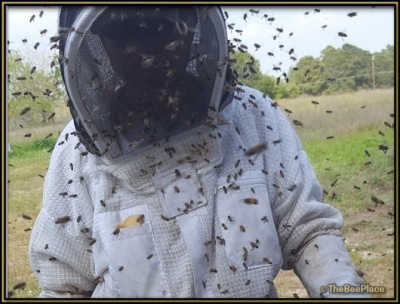

Most bee encounters are minor and manageable.
However, it is important to know that south central Texas still has Africanized Honey Bees in the wild. They have been in this area for over 30 years and continue to migrate from the south as well as reproduce in our region.
In the event of an encounter:
- Remain calm and move to a safe area
- Call 911 immediately if there is a danger to you or anyone else
- Leave things to the professionals
Individuals with known allergies should always carry their prescribed medication.
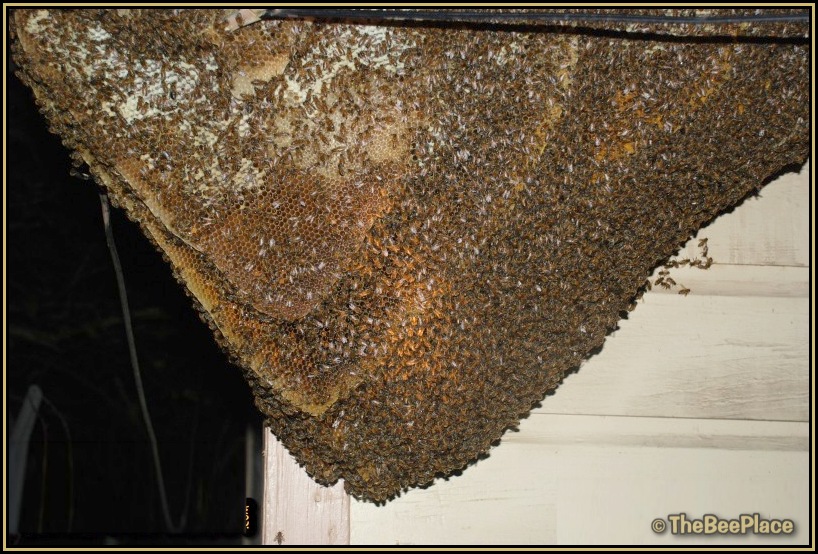
Safety Is A Priority
Learning The Basics About Bees Helps
Not all honey bees are aggressive and rarely are they in attack mode when they are away from their nest, but many of the wild bees in this region tend to be on the aggressive side and will respond if their homesite is disturbed.
We hope to offer some tips and general information about public safety around honey bees and other stinging insects as well.
Africanized bees—do not give warnings the way people expect. Once they decide to defend, it escalates quickly.
If you are going to work around bees, you need proper protection before you ever approach a hive.

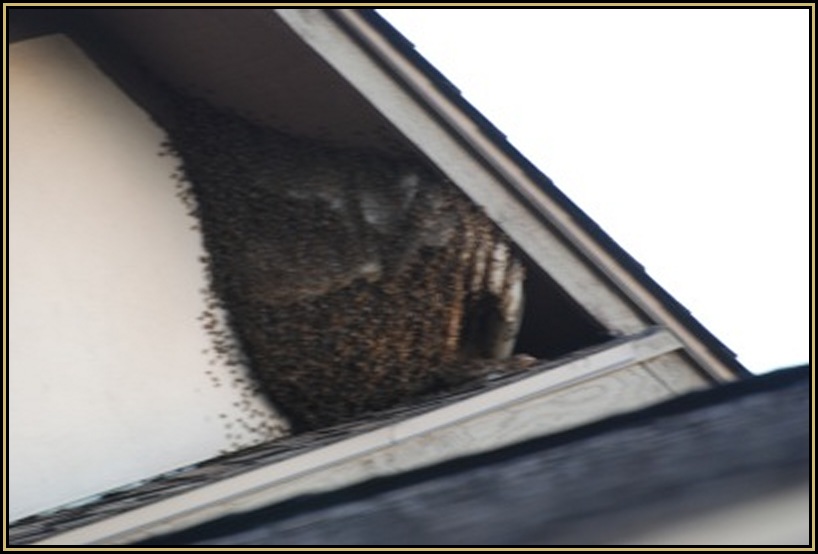
Stop • Look • Listen
Before you ever open a hive, pause and read the situation.
This is not like working with livestock or pets. Bees react fast, and once they start, it’s already too late to rethink your plan.
Stop — Don’t rush into a hive just because you have a few minutes.
Look — Watch flight patterns, sound, and behavior at the entrance.
Listen — The tone of a hive will tell you more than you think.
A calm hive has a steady, low hum.
An agitated hive gets louder, sharper, and more defensive.
If something feels off, it probably is. Close it up and come back another day.
